
Money & payments / CASHIER TRACE NOTES
Casino bonus maximum bet: read the ceiling for each wager
 Partner offers · Country: United KingdomUpdated 11 November 2026
Advertising. Bonus amounts, ratings and review counts are supplied by advertisers and have not been independently verified. Check eligibility and current terms with the operator. 18+. These international campaigns have no dedicated GB offer; GB availability has not been confirmed.

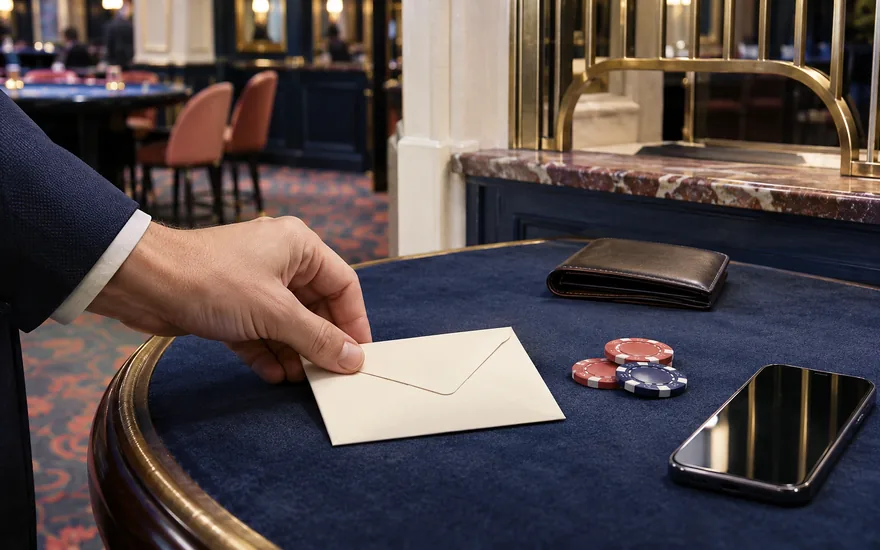

A casino bonus maximum bet is a promotional condition limiting the size of a qualifying wager. It is different from the amount of wagering required, a game's minimum stake or a statutory stake limit applying to a particular product.
This page does not quote a live offer's ceiling. Its purpose is to identify the unit and scope of a condition before money is committed, and to explain what evidence matters if a wager is later disputed.
Great Britain · GBP · 18+Editorial check: 11 November 2026
On this page
- Which balance does the condition cover?
- Maximum wager is not a wagering multiple
- Check the total, not just a displayed denomination
- What if the game allows a larger stake?
- Evidence for a disputed wager
- A practical reading order
- A game accepting a wager does not define the promotional condition
- Identify the full selected wager before comparing it with a ceiling
- A maximum wager and turnover requirement have different units
- A payout multiplier does not automatically increase the stake
- An optional feature price is a separate quantity to identify
- Several betting positions may need separate treatment
- Currency belongs beside the maximum and the wager
- The time when a condition applies matters
- A preset or repeated-bet control still needs its total checked
- A mode name does not establish the same stake treatment everywhere
- Read an alleged breach as a decision requiring a record
- An earlier permitted wager does not prove a later selection was identical
- A correctly calculated total can still need an eligibility explanation
- Historical wording needs the period of the disputed round
- The supporting evidence should match the question
- Do not add new play to test an unresolved condition
- A clear enquiry asks how the full wager was measured
- An illustrative component check can expose the missing label
- Finish with the unit, condition and record connected
- Questions about bonus stake limits
- Sources
Which balance does the condition cover?
Start with the exact promotion wording. A maximum may be described in relation to bonus funds, qualifying play or a period when a promotion is active. These descriptions should not be treated as interchangeable. The operator should identify which balance and which wagers the disputed condition concerns.
The Gambling Commission's guidance distinguishes the Deposit Balance from bonus restrictions. It also addresses how promotional conditions interact with play using the deposit balance. Do not conclude that accepting a promotion automatically permits an operator to confiscate all cash funds for any alleged breach.
Ask for the term, its applicable version and the account entries involved. A support message saying only that the maximum was exceeded is incomplete for reconciliation. You need to know the recorded wager, its total stake, the balance used and the condition the operator relied on.

Maximum wager is not a wagering multiple
A wagering multiple describes a turnover requirement attached to a promotion. A maximum bet describes a ceiling on one wager or another stated unit. The first does not tell you the second. A number followed by an x therefore needs its own explanation rather than being read as a pound amount.
For example, an imaginary promotional condition might set a maximum of £1.80 per wager. That is a transaction-size rule in this example. It does not mean that £1.80 is the required total turnover or the amount of any cashout. No live operator condition is represented by this invented figure.
| Figure or term | Unit to identify | Common mistaken inference |
|---|---|---|
| Bonus maximum bet | Stake per specified wager | Total amount that must be played |
| Wagering multiple | Turnover relative to a defined amount | Maximum stake on each round |
| Game minimum | Smallest accepted wager | Recommended stake |
| Product stake limit | Limit applying to that product and player category | Permission to exceed a lower contractual ceiling |
Check the total, not just a displayed denomination
A game can show a denomination, line stake, chip value or total bet. Only the relevant full wager can be compared with a condition written per wager. A small-looking unit on one part of the interface may be multiplied or combined elsewhere in the selected bet.
For a hypothetical example, three separately selected positions of £0.70 each total £2.10. If the applicable condition measures the combined wager, comparing only £0.70 with the ceiling would use the wrong unit. The operator's definition and game record are necessary; this example does not establish how every promotion aggregates bets.
Additional paid features can also require their own interpretation. Do not assume that a separately priced feature is outside a promotional stake condition simply because it is not labelled spin. Check whether it exists in that game version, whether it is available in the market and how the offer treats it.
What if the game allows a larger stake?
A game's interface allowing an amount does not, by itself, prove that the amount satisfies every promotional term. Equally, the fairness and operation of the term need consideration; a generic interface explanation is not a complete answer to a dispute about cash and bonus balances.
Before playing under an unclear condition, ask the operator to identify the full stake it will count. Do not test the ceiling with a real wager to discover whether a warning appears. The absence of a warning is not a reliable substitute for understanding the condition before spending money.
Our payment eligibility guide covers the earlier question of whether a deposit qualifies at all. A qualifying funding method and a compliant later wager are separate matters. Passing the first condition does not establish compliance with the second, and the reverse is also true.
Evidence for a disputed wager
Retain the round or bet identifier, time, currency, total wager and balance entries. Save the offer terms that applied when you participated. If several entries concern one paid round, ask support which entry represents the alleged breach and how the total was calculated.
Request a balance breakdown before and after any adjustment. Distinguish returning a bonus, removing a stated promotional win and withholding a Deposit Balance. These are different actions and need separate explanations. A single final balance does not show which adjustment produced it.
If the operator's reply does not reconcile those records, use its formal procedure and retain the written response. The complaint route explains how to organise the issue without repeatedly placing new bets. Continuing to wager does not establish whether a previous decision was correct.
A practical reading order
Read the condition's scope first, then its unit, then its currency and numerical ceiling. Identify any exception or game-specific wording before comparing a recorded stake. Keep the financial question separate from whether the wager won or lost: the outcome does not define the amount that was placed.
When the wording is missing or contradictory, the useful next step is clarification or a complaint, not increasing turnover. If a promotion is encouraging spending beyond what you intended, you can stop. Our support page links to independent help without asking you to fund an account.
A game accepting a wager does not define the promotional condition
Read the game controls and the promotion as two separate sets of information. The game may let you select a stake above the bonus ceiling. That tells you what the interface accepts, while the promotion's wording tells you which wagers its condition covers. An enabled button settles neither the scope nor the fairness of the promotional term.
For a disputed round, put the recorded total stake beside the applicable bonus wording. Check that both concern the same wager and balance before comparing the numbers. A screenshot showing only that a control was available leaves those details open. Ask for the round record and the version of the term used in the decision so that support can explain the comparison it made.
Identify the full selected wager before comparing it with a ceiling
Find the game's total-bet amount before comparing a stake with the promotion. A chip value, denomination or per-line figure may show only one part of the selection. The game's own rules and completed round record are the places to check how those parts were combined.
In a hypothetical example, five selected components of £0.20 produce a £1 total when the game's rule combines them that way. Comparing the ceiling with £0.20 would miss four components. But multiplying an assumed number of components would be just as unreliable: you need the selections recorded for that round.
If the display is unclear, ask which field represents the full wager. Keep the original component labels in your question so that a correct calculation is based on the correct inputs.
A maximum wager and turnover requirement have different units
A maximum wager limits the size of a defined bet. A turnover requirement concerns an accumulated quantity under stated conditions. Both can be expressed in pounds while measuring different actions and periods.
For an imaginary example, a £2 per-wager ceiling and a £100 turnover requirement are not competing values for the same field. Reaching an accumulated total does not make a larger individual wager compliant, and the small ceiling does not define the accumulated requirement.
The article does not recommend completing a turnover requirement or choosing a game to do so. It explains why the labels must remain separate. A progress meter cannot replace the condition governing one selected wager.
A payout multiplier does not automatically increase the stake
Locate what the multiplication symbol changes. A payout multiplier applies to a result or its stated base; a stake control changes the amount selected for the wager. Similar symbols can perform different jobs, so read the label and the confirmation in the named product.
When reviewing a past round, keep the selected stake and the completed result on separate lines. A large win display may explain the outcome calculation without showing how much was placed. It therefore cannot serve as the stake record on its own.
If support says a ceiling was exceeded, ask it to identify the stake field it used. This makes the dispute about the recorded wager and applicable condition instead of an inference drawn from the size of the result.
An optional feature price is a separate quantity to identify
Some products describe an optional feature purchase or another paid entry. Where such information is relevant, the actual cost and applicable condition must be identified. A base-spin denomination is not automatically the amount paid for a different action.
The existence of a provider description does not establish that the option is enabled in a particular account or market. This publication does not infer local availability from a product sheet, nor does it recommend using an option to manage a promotional condition.
If an account decision concerns a particular paid action, preserve the action's own record. Ask which rule and amount the provider applied. Do not supply a smaller base-stake figure merely because it would fall below the quoted ceiling.
Several betting positions may need separate treatment
A round can contain more than one selected position in some games. Whether a promotional maximum applies to one position, the full round or another defined total depends on the actual wording. The unit cannot be assumed.
For a hypothetical example, a £1 main position and a £0.50 side position add to £1.50. That arithmetic does not establish whether a particular condition measures the combined amount or each position. The rule must identify the relevant quantity.
The general game notes explain why positions and returned stakes need separate records. They do not replace the promotional condition. Keep the account's selected positions and the source's maximum-bet wording together when asking about a decision.
Currency belongs beside the maximum and the wager
A ceiling expressed in one currency cannot be compared directly with a bare number in another. The relevant account currency and any applicable conversion need to be established before a numerical comparison has meaning.
Do not use an exchange rate from memory to make a disputed wager appear below a limit. Preserve the amounts and currencies actually recorded. If the provider applied a conversion, ask which supported rule and observation govern it.
The same caution applies to a demo displaying virtual units. Its currency label is not proof of the stake in a separate real-money account. A practice screen cannot establish the conversion or maximum applicable to that account.

The time when a condition applies matters
A promotion-specific rule can have a stated scope or stage. The relevant question is whether that scope covered the wager being discussed. A current general account screen does not necessarily establish the condition at an earlier moment.
Keep the applicable wording, the round time and the relevant balance or promotion state as separate observations. Do not copy a later status backwards into the chronology simply because it would make the explanation easier.
If the relationship is unclear, ask the provider which condition it considered active for the named round. An account-specific decision needs more than a generic statement that the promotion existed somewhere in the account.
A preset or repeated-bet control still needs its total checked
A remembered selection can differ from the amount a repeat, restore or increase control now displays. Read the current total in the game's interface; on a phone, open any panel needed to see the complete selection. One visible denomination may leave other components out of view.
For an earlier round, use the history instead of trying to reconstruct the setting by placing another wager. Identify the total recorded for that round and ask the organisation holding the record to clarify any missing component. A later selection would describe a new event, even if the controls looked familiar. Keeping the original round reference beside your question helps support explain that event without substituting a result from a fresh attempt.
A mode name does not establish the same stake treatment everywhere
Two games can use similar words for enhanced play or feature modes while charging or evaluating them differently. A familiar label should not be treated as a universal description of the total wager.
Use the named release and the wording of the actual control. If the promotional terms refer to a category, ask how that category applies to the recorded action rather than assuming a match from a similar name.
The named-game catalogue helps identify releases and sources. Its articles explain published mechanics, not every operator's promotional treatment. A provider feature description and an account-specific maximum remain separate pieces of evidence.
Read an alleged breach as a decision requiring a record
If an organisation says a maximum was exceeded, identify the wager it refers to and the condition it applied. A general warning does not establish which round or selected amount produced the decision.
Preserve the relevant amount, currency, product and available round reference. Then compare the supported full wager with the actual ceiling and scope. Do not infer the decision's cause solely from an altered balance.
This publication cannot decide a personal dispute from a general example. The complaints guide explains how to organise a factual request for the rule and decision record without inventing an account-specific explanation.
An earlier permitted wager does not prove a later selection was identical
A reader may remember a previously accepted amount or a prior promotional result. That observation can provide context, but it does not establish that the later wager used the same settings, product or applicable condition.
Keep the two records distinct. If the difference matters, identify the selected amounts and relevant wording for each. A remembered interface position is less reliable than the actual total and round record.
The same principle applies to a changed game release. A similarly named title or mode can have different controls. The article should not use a previous product's display to reconstruct an unobserved later wager.
A correctly calculated total can still need an eligibility explanation
Adding the recorded components may establish a full selected wager. It does not establish that the promotion applied to the account or that the relevant balance was active. Those conditions require their own evidence.
Keep arithmetic and eligibility in separate parts of the enquiry. “The recorded total was £1.50” is a different statement from “the named promotion governed that round”. One can be supported while the other remains unclear.
The payment-method eligibility article illustrates a similar separation at an earlier stage. Successful payment acceptance, promotional qualification and later wager conditions should not be merged into one undifferentiated rule.
Historical wording needs the period of the disputed round
An old copy of terms can be relevant to a past event, but it does not automatically govern a new wager. A current page can explain a general rule while failing to establish what wording was presented earlier.
Preserve any applicable dated terms and identify the product or promotion they describe. If the relevant wording is unavailable, state that gap. Do not replace it with another operator's rule or the most convenient version found in a review.
An enquiry can ask which condition the organisation applied to the dated round and how the recorded full wager was measured. That is more precise than assuming that every published maximum for the brand is the same.
The supporting evidence should match the question
A statement about the maximum needs its wording and scope. A statement about the wager needs its total and round record. A statement about an account decision needs the decision and reference. Each piece supports a different part of the explanation.
Do not substitute an outcome screenshot for the wager record. A completed feature total may not show the full selected stake or balance state before the round. The image can be relevant context without proving every field.
Private records should remain with the appropriate secure account process. A publication-level correction can usually identify the sentence and public source. The privacy page explains why this website does not collect a reader's credentials or account evidence.
Do not add new play to test an unresolved condition
A new round can create another record without clarifying the earlier wager. Even if a later action is accepted, it does not explain whether the previous action met a condition or why the account made a particular decision.
First identify the existing instruction, total and applicable wording. If the recognised provider supplies a clarification, preserve its scope. Do not treat a general suggestion to change games or stakes as an account-specific resolution.
The useful outcome can be understanding the rule or deciding not to proceed. A promotional condition is not a reason to increase activity, and the article does not present compliance with a maximum as a way to guarantee a favourable result.
A clear enquiry asks how the full wager was measured
A focused question can name the round, selected amount and cited maximum, then ask whether the provider measured one position, the full round or another defined unit. If the scope is unclear, ask for that explanation directly.
State the supported observations before suggesting a cause. A difference between two displays can require clarification without proving an error or a breach. The organisation holding the record is the source for the actual account decision.
The contact guidance explains how to keep publication questions and account enquiries separate. Correcting a general article is not the same action as changing a round history, returning a stake or creating a promotional award.
An illustrative component check can expose the missing label
Consider this hypothetical round record: the selected components are £0.40, £0.40 and £0.20, and these are all the components of the wager. Their total is £1. A screenshot showing £0.20 could still be accurate if its label refers to just the last component.
The task is to identify what each display measures before calling the two figures contradictory. Ask for the full wager record and compare its component labels with the screenshot. Then compare the confirmed total with the relevant promotional ceiling. The example describes no particular game layout.
A highlighted chip can be useful context while leaving other selections outside the image. Equally, do not add a component merely because it would explain the difference. Build the total from recorded selections and mark any missing field for clarification. This gives support a concrete calculation to check without manufacturing a complete view of an unobserved round.
Finish with the unit, condition and record connected
Your comparison should connect three things: the promotion's ceiling and currency, the wager unit covered by that condition, and the full amount recorded for the named round. Read them together once more before drawing a conclusion. A stake from one event and a term from another can produce convincing arithmetic with no useful account meaning.
Where a field remains missing, state it directly in the enquiry. You might have the total wager but need the applicable term, or have the term but need the recorded balance state. Ask for that specific link instead of changing a figure to make the comparison complete.
Keep maximum wager, turnover, matched credit and account balance separately labelled throughout. That makes the explanation readable and gives each number a clear purpose without treating a result screen or promotional headline as proof of every requirement.
Questions about bonus stake limits
Is the maximum bet the same as the game's maximum?
No. One can be an offer condition and the other a game or product limit. Their scopes must be read separately.
Does a winning wager change the amount staked?
No. Stake and result are separate entries. Use the recorded full wager when comparing amounts.
Should I make a test bet to find the ceiling?
No. Read the condition or ask for clarification first. A real wager is not a reliable or cost-free test of eligibility.